Featured
Get This Report about Safeguarding Yourself from Debt Rel...
5 Simple Techniques For Creating Post-Debt Financial Plan...
The The Advantages and Cons When Considering Debt Forgive...
The Buzz on Market Developments in Bankruptcy Counseling ...

The Main Principles Of Recession Impacting Rising Need for Financial counseling for veterans in Alabama who feel stuck making only minimum payments
Table of Contents
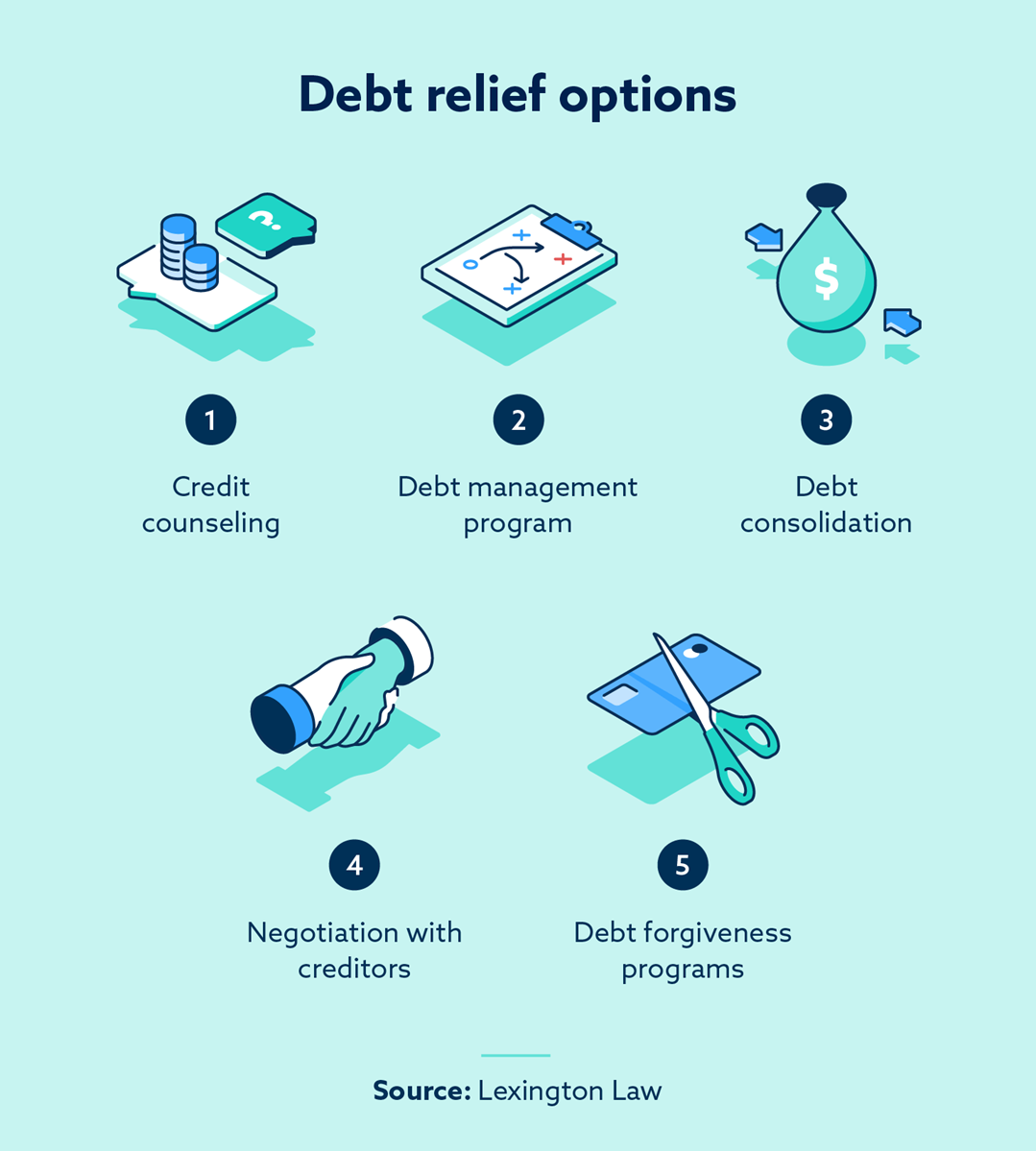
That maximizes cash in the short-term, and you may have 3 to 4 years to save toward the settlement quantity. Very harmful to credit history, mainly as a result of missed repayments and a negative "resolved" mark that might remain on your credit history record for approximately 7 yearsMay be only choice if other options (financial obligation consolidation, equilibrium transfer credit report cards, financial obligation mercy) aren't possibleTypically needs a cost to the 3rd celebration, which might offset some or all of the financial savings from financial obligation settlementMay assist you avoid insolvency if you have actually missed several paymentsNot all financial institutions work with debt negotiation business Financial debt forgiveness may be right for you if you are experiencing a financial difficulty that makes it almost difficult to pay for your financial obligation balances.

With a DMP, you make one month-to-month settlement to the credit counseling firm. Those funds are after that dispersed to creditors of your unprotected financial obligations, such as charge card and installment car loans. The company works with your financial institutions to reduce interest rates or waive costs, but some financial institutions might decline such concessions.
It can aid you pay down financial debt if you're able to secure a loan price that's reduced than the typical rate of the accounts you're combining. You should abstain from racking up debt on those recently removed accounts or your debt can expand even higher.
That provides you lots of time to remove or dramatically lower your equilibrium while making interest-free repayments.
Unknown Facts About A Guide to Debt Relief Options in Uncertain Times
You might require it if your creditor or a debt collection agency ever before tries to accumulate on the debt in the future. The letter might verify you don't owe what the collection agency's records show. Yes, for the most part, the internal revenue service considers forgiven financial obligation as taxable earnings. When a lending institution forgives $600 or more, they are needed to send you Form 1099-C.
Financial debt forgiveness or negotiation usually harms your credit score. Anytime you resolve a debt for less than you owe, it may appear as "worked out" on your credit rating report and impact your credit history for seven years from the date of negotiation. Your credit can likewise go down significantly in the months resulting in the forgiveness if you fall back on repayments.
Excitement About Pricing Honesty to Avoid
This circumstance usually results from underreporting revenue, not filing returns on time, or disparities found during an Internal revenue service audit. The repercussions of accumulating tax debt are significant and can consist of tax liens, which give the IRS a lawful claim to your property as protection for the financial debt.
Greater rate of interest on readily available credit score. Earnings and Financial institution Accounts internal revenue service can impose (confiscate) wages and savings account to satisfy the debt. Decreased income and interruption of crucial economic processes. Property Seizure In extreme situations, the internal revenue service can confiscate and sell property to cover the debt. Loss of beneficial assets and possible displacement.
Anxiety, anxiety, and other psychological health and wellness problems. Social Stigma Facing lawsuit from the internal revenue service can carry social stigma. Damages to track record and relationships. Employment Opportunities A bad credit rating due to tax financial debt can limit employment possibilities. Problem finding or maintaining a job. Government Advantages Tax debt might affect eligibility for federal government advantages, such as Social Safety And Security and Medicaid.
The Best Strategy To Use For Creating Post-Financial counseling for veterans in Alabama who feel stuck making only minimum payments Spending Strategy for Lasting Success
The OIC takes into consideration a number of factors, consisting of the taxpayer's revenue, expenses, asset equity, and capacity to pay. Effectively bargaining an OIC can be intricate, needing a thorough understanding of the IRS's standards and a strong disagreement for why your offer straightens with your capacity to pay. It's crucial to note that not all applications are accepted, and the process requires in-depth economic disclosure.
The internal revenue service assesses your general economic situation, including your earnings, costs, possession equity, and ability to pay. You have to likewise be present with all declaring and repayment needs and not be in an open bankruptcy proceeding. The internal revenue service additionally considers your compliance background, examining whether you have a document of prompt filing and paying tax obligations in previous years.
The 6-Minute Rule for Actual Experiences of Bankruptcy Counseling Users
The application process for an Offer in Concession includes numerous thorough actions. Initially, you must finish and submit IRS Kind 656, the Deal in Concession application, and Form 433-A (OIC), a collection information declaration for people. These forms require comprehensive economic info, consisting of details regarding your income, financial obligations, expenses, and possessions.
Back taxes, which are overdue taxes from previous years, can dramatically boost your overall internal revenue service financial debt if not resolved immediately. This debt can accrue interest and late settlement penalties, making the initial amount owed much bigger gradually. Failure to repay taxes can cause the IRS taking enforcement activities, such as releasing a tax lien or levy versus your residential property.
It is very important to deal with back tax obligations asap, either by paying the sum total owed or by preparing a payment plan with the IRS. By taking positive actions, you can stay clear of the buildup of extra passion and fines, and protect against a lot more aggressive collection actions by the IRS.
One typical reason is the belief that the taxpayer can pay the sum total either as a swelling amount or via a payment strategy. The IRS likewise takes into consideration the taxpayer's revenue, expenditures, possession equity, and future earning possibility. If these factors indicate that the taxpayer can manage to pay even more than the supplied quantity, the internal revenue service is most likely to deny the deal.
Our Regulatory Aspects in Bankruptcy Proceedings PDFs
Dealing with IRS debt can be complex and difficult. Tax experts, such as Certified public accountants, tax attorneys, or enrolled representatives, can offer very useful help.

Table of Contents
Latest Posts

Get This Report about Safeguarding Yourself from Debt Relief Scams
:max_bytes(150000):strip_icc()/debtrestructuring.asp_final-a64fcb2c01704710bc55061e4304ce7d.png)
5 Simple Techniques For Creating Post-Debt Financial Plan That Lasts
The The Advantages and Cons When Considering Debt Forgiveness Diaries
More
Latest Posts
Get This Report about Safeguarding Yourself from Debt Relief Scams
5 Simple Techniques For Creating Post-Debt Financial Plan That Lasts
The The Advantages and Cons When Considering Debt Forgiveness Diaries